
WWII Tabletop Wargame Miniatures
Let customers speak for us
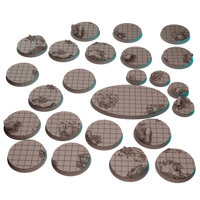
Right size and fit I will definitely be getting more to bring my Dawi back to the old world and some Calvary ones for the CoS AOS ones I have too
I like the product and the service provided. Erin was helpful in answering my questions. I would buy again if i find something interesting.

My 750 pts Warriors of Chaos army has bases now

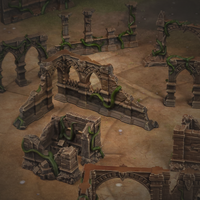
These models print amazingly on my Bambu P1S. I decided to print a raft with a single layer of support material. They have great rigidity when printing but come away with perfectly clean bases. Not yet fitted all the magnets, and the wife is in the midst of painting, but we will certainly be printing more than one of everything and likely a dozen of each wall post.

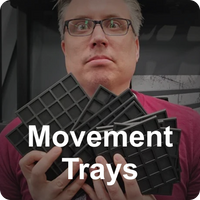
I have only just started building a TOW army, and the movement trays were the perfect solution for me to use my Goblins both in Old World and potentially in AoS in the future. That’s why I found the round to square base converters really practical, and for the price the variety and number of different options is very good.

Clean files, printed perfectly, organized well. I couldn't tell you how much time this saved me have to revase miniatures!
Movement trays are sized perfectly, the material is sturdy and good for basing the edges. I like the magnet holes, they help keep all the models from falling over.

Really well designed and printed nice and easily using the BambuLab AMS.
Worth noting it doesn’t come set up for multicolour printing, you’ll have to paint it yourself but the way it’s been designed all the sections (except for the white edge around the dice logo) that need colour have been predefined for you so despite it being a single object the edges are preselectable so it really was only a case of a few clicks and nothing more
The models I ordered came quickly and well packaged. They look great and I can't wait to get them painted and on the table. I reached out to the Forge a couple times while waiting on the order to arrive and they always contacted me quickly and everyone I interacted with was very friendly. I highly recommend buying from here, and will be doing so again myself.
This upscaled elder sorrowspite is fantastically detailed and the print quality was excellent. It required very little clean up and was packed very well for shipping. I'm hoping for more upscaled minis in the future

Arrived very quickly and was easy to assemble. Great cast with very little cleaning required.

Shipped safe and quick, arrived undamaged. The model is beautiful with lots of detail and was easy to paint. These will be amusing from beneath the sands to my opponent's dismay.

Just what I needed to keep all of my Skaven from rattling in my storage chests

Great 3d prints of great models

Great dice, love the mark of Dave symbol. It makes it extra special getting a six.

Get Your Hands On Our Favorite Minis And Terrain From 17 Years Of Creating Content
We've produced thousands of battle report videos across dozens of narrative campaigns. Now with The MiniWarGaming Forge you can get direct access to the amazingly detailed minis and terrain we use to bring stories to life on the tabletop.
Join the thousands of wargamers who trust MiniWarGaming Forge to enhance their tabletop adventures.
WWII Tabletop Wargame Miniatures
Frequently Asked Questions
What Are WWII Tabletop Wargame Miniatures and How Do They Enhance My Gaming Experience?
What Are WWII Tabletop Wargame Miniatures and How Do They Enhance My Gaming Experience?
Why Should I Consider Using WWII Miniatures in Gameplay?
Why Should I Consider Using WWII Miniatures in Gameplay?
Can I Incorporate WWII Tabletop Wargame Miniatures into Regular Gameplay?
Can I Incorporate WWII Tabletop Wargame Miniatures into Regular Gameplay?
Where Can I Find High-Quality WWII Tabletop Wargame Miniatures for Purchase?
Where Can I Find High-Quality WWII Tabletop Wargame Miniatures for Purchase?
Which Tabletop Wargames Are Compatible with My WWII Miniatures?
Which Tabletop Wargames Are Compatible with My WWII Miniatures?
What materials are typically used to make WWII Tabletop Wargame Miniatures?
What materials are typically used to make WWII Tabletop Wargame Miniatures?
How can I tell if WWII Tabletop Wargame Miniatures are high-quality?
How can I tell if WWII Tabletop Wargame Miniatures are high-quality?
Are WWII Tabletop Wargame Miniatures Tournament-Compatible?
Are WWII Tabletop Wargame Miniatures Tournament-Compatible?
Can WWII Tabletop Wargame Miniatures Be Integrated with other Game Pieces?
Can WWII Tabletop Wargame Miniatures Be Integrated with other Game Pieces?
What Are the Best Techniques for Painting WWII Tabletop Wargame Miniatures?
What Are the Best Techniques for Painting WWII Tabletop Wargame Miniatures?